


 Big Florida Roof Repairs

Top 10 Signs Your Roof Needs Repair in Florida and How to Fix It
Roof maintenance is crucial in Florida, given the state's high rainfall, humidity, and frequent s...


The humid conditions found in places like New Orleans create ideal environments for roof algae to grow, which may further mildew shingles and detract from the general curb appeal of your home. Algae-resistant materials, cleaning agents, and adequate ventilation would be imperative.
We provide an ultimate, peace-of-mind, lasting solution to humid weather, guarding your roof against worthless wreckage. Please do not hesitate to contact us for fixing any roof jobs bothering you at Big Florida Roof Repairs.

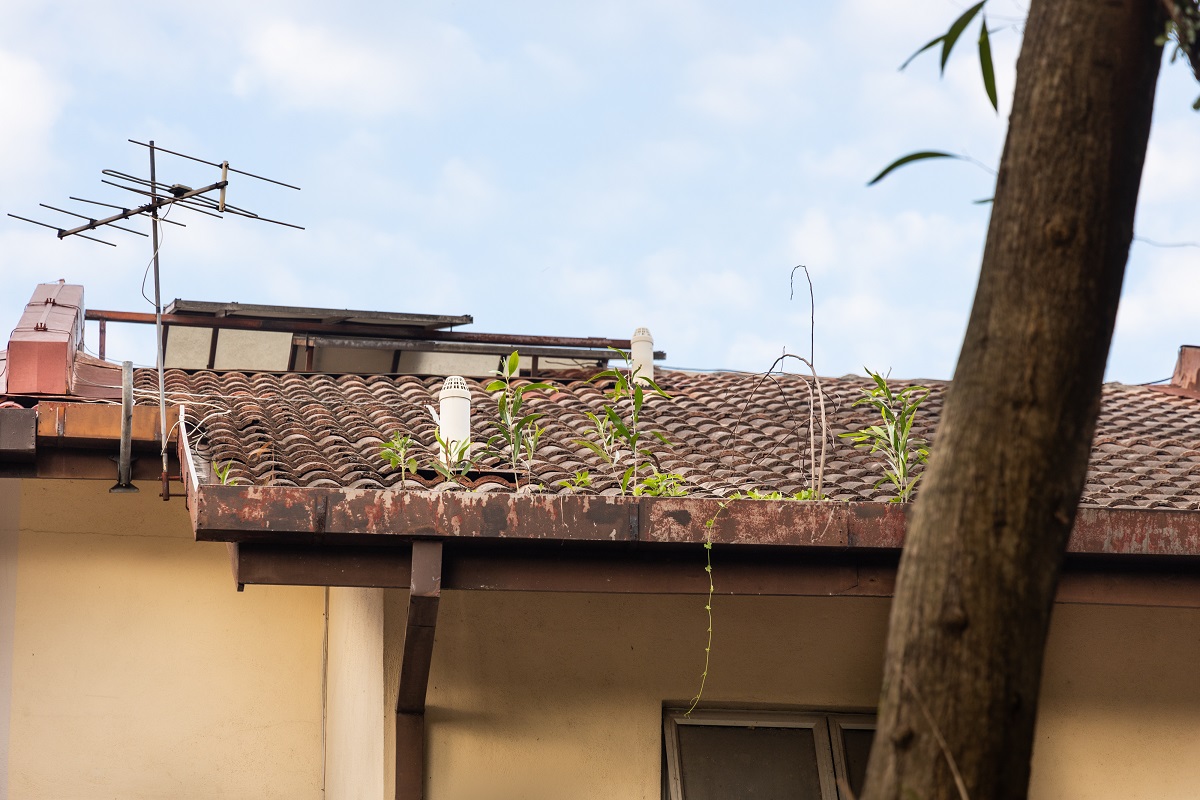
Roof algae are a common nuisance in wet climates and are primarily due to Gloeocapsa Magma. These blue-green algae carry their reproductive spores via air currents to the surfaces of roofs. Once there, they thrive in a very wet environment, consuming limestone granules of asphalt shingles and compromising the roof’s protective layer, leaving very ugly black streaks and discoloration, which may adversely lower curb appeal.
Algae thrive in damp, shaded roof areas where leaves, twigs, and moisture collect. Poor ventilation makes it worse by trapping humidity under the roof. In humid regions like the Southeast, shade from trees or buildings only speeds up growth. Clogged gutters holding water add to the problem, making regular cleaning and maintenance essential.
Algae weaken shingles by consuming their limestone granules; they also reduce their lifespan. Moisture from algae can spawn mold and mildew, both of which threaten the roof structure and elevate repair costs. Dark streaks staining the roof are an unattractive sight, negatively affecting presentable buyers or tenants, so the prevention of algae is crucial to save on roof replacement costs in the future.
Algae grow in delightfully humid weather and with consistent rainfall. Shadow from trees or buildings, plus the lack of sunlight, leads to cool, damp surfaces that help grow algae. Poor drainage, withstanding water stagnation, while forests containing organic debris perpetuate algae by continuously loading spores onto the roofs.
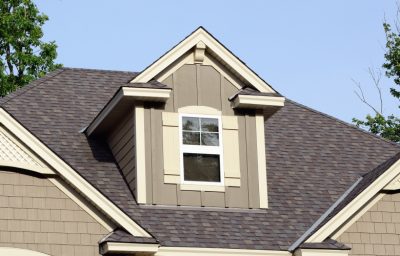
Indeed, algae-roof prevention is most important in humid territories where moisture around shingles encourages algae, moss, and even mold. With some proactive actions, you can keep your roof looking good while also protecting its structure.
Taking steps like regular maintenance and choosing the right materials can greatly extend your roof’s lifespan and save you from costly repairs. A balanced mix of upkeep and smart material selection is the best way to stay ahead.
To minimize the chances of algae growth, select algae-resistant asphalt shingles treated with algaecides. Copper granule shingles are another suitable option since copper and zinc naturally resist algae. Synthetic roofs like polymer or composite shingles resist moisture build-up and therefore limit algae establishment. Always confirm with manufacturers regarding the best algae-resistant roofing options for your climate.
Metal strips lined along the ridge tops of roofs serve as a simple and cost-efficient preventive measure against algae. During rain, zinc and copper strips discharge particles that engender an environment hostile to algae growth. Proper positioning guarantees that there will be a uniform distribution of these protectors.
Proper ventilation is very critical in reducing moisture that causes algae. When ridge venting, attic fans, and soffit vents combine, they create avenues for air circulation that keep the roof dry. Free air circulation prevents algae from prospering, as well as minimizing moisture, mold, and mildew, thus refreshing the health of the roof.
Sunlight inhibits algae, and algae thrive only in shady and damp surroundings. Trimming overhanging branches allows sunlight to reach your roof, assisting in the drying of moisture and the inhibition of algae. For new roofs, orienting in such a way to maximize sunlight exposure is excellent.
Effective drainage of water is vital. Clean gutters twice a year and set up insert guard rails to prevent debris accumulation. Ensure that downspouts direct water from the roof, while sloping roofing helps direct runoff so that there is minimal standing water, leaving algae high and dry.
Roof algae flourish in humid climates where they discolor, damage the roof, and reduce its lifespan if never treated. This is why safe and effective algae removal is vital if the roof is to see long life without compromising its elements. The following is a breakdown of both soft wash and professional approach tips.
Soft washing is a safe way to remove algae without harming shingles. It uses low-pressure water and eco-friendly cleaners, unlike power washing, which can damage the roof. For light stains, try a simple mix of water and white vinegar. Darker stains may need a store-bought roof cleaner.
When scrubbing, go gently with a soft brush in a downward motion to avoid damage. For dead algae, a 50/50 bleach-and-water solution works. Let it sit for about 30 minutes before rinsing.
In cases of extensive algae infestation, professional power washing is advisable. These professionals employ specialized equipment and solutions that target and kill the algae growth without damaging roofing materials. They can also install preventive measures in the form of zinc or copper strips to deter future growth. Regular maintenance inspections and cleanings ensure roofs are well-maintained and algae-free.
In humid climates, keeping a roof free of algae can be tricky, but it’s worth the effort. Regular roof cleaning, the type of material, and proper ventilation make a big difference. Preventing algae is always easier than dealing with damage later, and simple steps like trimming nearby trees or adding zinc strips can help.
Using gentle cleaning methods or hiring professionals ensures safe removal without harming your roof. A clean, well-maintained home not only protects your investment but also boosts curb appeal. If you have questions or need help with algae, reach out to Big Florida Roof Repairs! We’re here to keep your roof strong, secure, and looking great for years to come.

Roof maintenance is crucial in Florida, given the state's high rainfall, humidity, and frequent s...

Preparation of your Florida roof for hurricane season begins with maintenance. Keeping your shing...
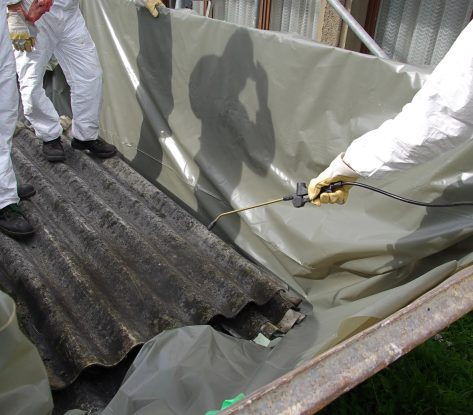
Asbestos was commonly used on roofs a long time ago because of its fire-resistant feature but the...

In Florida’s hot and humid climate, roof ventilation is an effective way to save money and stay c...

Florida's weather is tough on roofs, with intense sun and frequent storms and hurricanes. For exp...

Roof repairs in Florida can vary significantly depending on several factors, including the type o...